
The Digital Paper Trail
Why your “Public” profile is a roadmap for a professional breach

THE COUNTERMEASURE
Dispatch #032
You are on vacation. You post a photo of a sunset from a balcony in Cabo. You tag the resort. You mention how much you needed this break after a “long month at the office.” To your friends, it is a celebration. To a hacker like Niko Webb, it is a green light.
Niko doesn’t need to hack your computer to find your weaknesses. He can spend an hour on your social media feeds. He looks for the “puzzle pieces” of your life that you have scattered across the internet. When he puts them together, he has a complete picture of your routine, your relationships, and your security gaps.
The Tradecraft: The “Puzzle Piece” Method
A professional social engineer looks for three specific types of data points:
The Geographic Timeline: By looking at your “check-ins” and background landmarks in your photos, Niko can map your weekly routine. He knows you are at the gym at 6:00 AM on Mondays and that your house is likely empty until 5:30 PM.
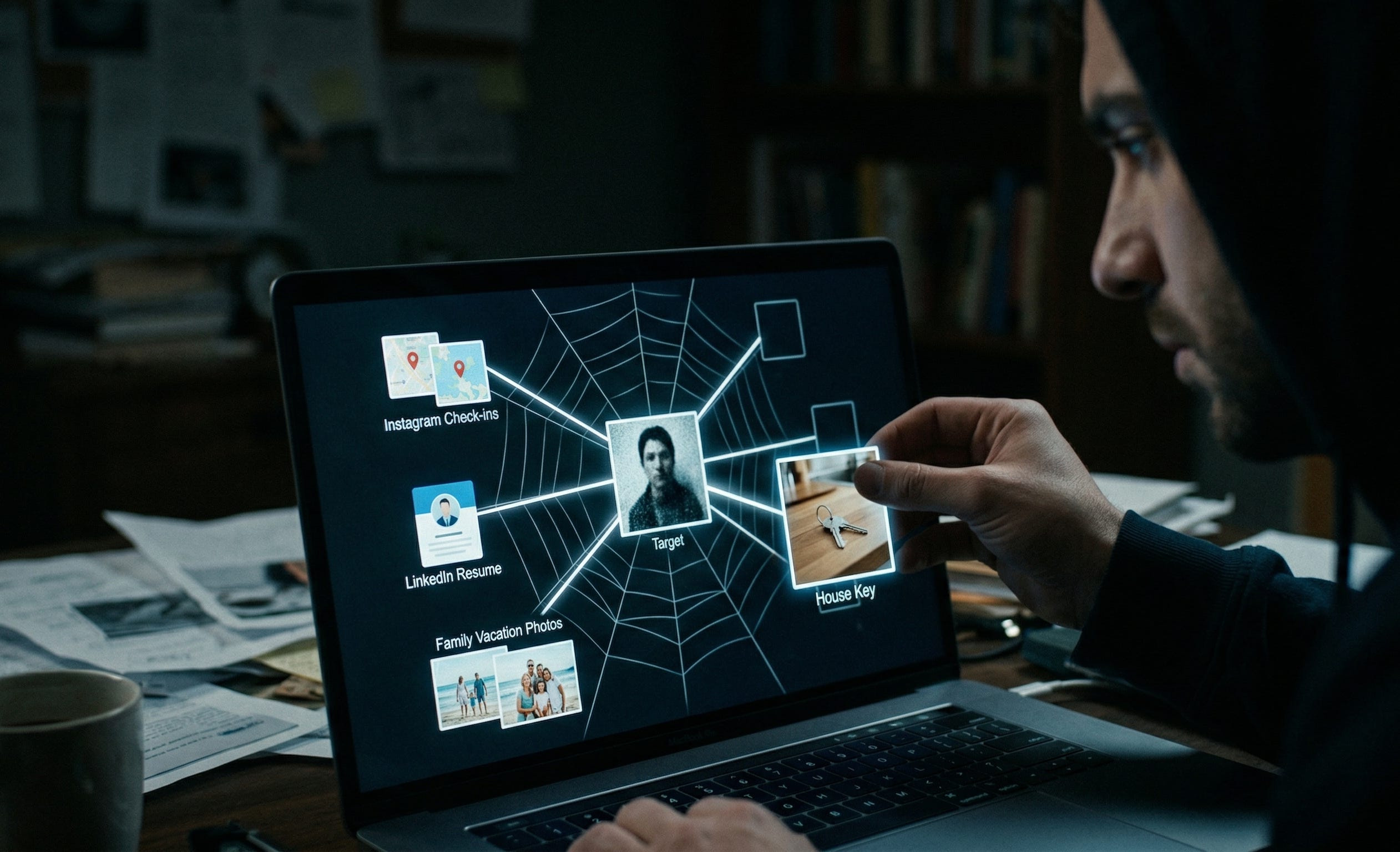
The Corporate Hierarchy: LinkedIn is a goldmine for attackers. Niko uses it to see who reports to whom, which software your company uses, and who the “New Hires” are. New employees are the most vulnerable because they are eager to please and don’t yet know the “official” procedures.
The Emotional Triggers: He looks for what you love and what you hate. If you post about your obsession with a specific local charity or your frustration with a specific airline, he has his “hook.”
The “So What?”
Most people think, “I’m not a celebrity, why would a hacker care about my vacation photos?” Here is the reality:
The “Spear Phish” Accuracy: A generic “Please click this link” email has a low success rate. But if Niko sends you an email that says, “Hey, I saw your post about the fundraiser for [Specific Charity Name]! I’d love to donate. Can you check if this flyer looks right?” you are almost 100% likely to click.
The “Physical” Opening: If you post that you are at a concert or on a flight, you are broadcasting to the world that your home is unattended. Professional burglary rings monitor specific hashtags for “empty house” opportunities.
The Identity Synthesis: Between your “First Car” post on Facebook and your professional history on LinkedIn, Niko has enough data to call your cell phone provider and “verify” his identity as you. He can then perform a SIM Swap, taking over your phone number and your two-factor authentication codes.
The Countermeasure: The “Post-Dated” Life
The 24-Hour Rule: Never post vacation photos while you are still on vacation. Wait until you are back home to share the “throwback” gallery. This keeps your current location a mystery.
Scrub the Metadata: Before you post a photo of your new home or office, ensure “Location Services” is turned off in your camera settings. Otherwise, the digital file itself contains the exact GPS coordinates of your front door.
The “Stranger Test”: Look at your own profile as if you were a stranger who wanted to hurt you. What can they learn about your children’s school? Your home security system (is a keypad visible in the background of that “welcome home” photo?) Your daily commute?
Audit Your Friends: If you have 2,000 “friends” on Facebook, you don’t have a private profile. You have a public one. Prune your list to people you actually know and trust.
The Sign-off
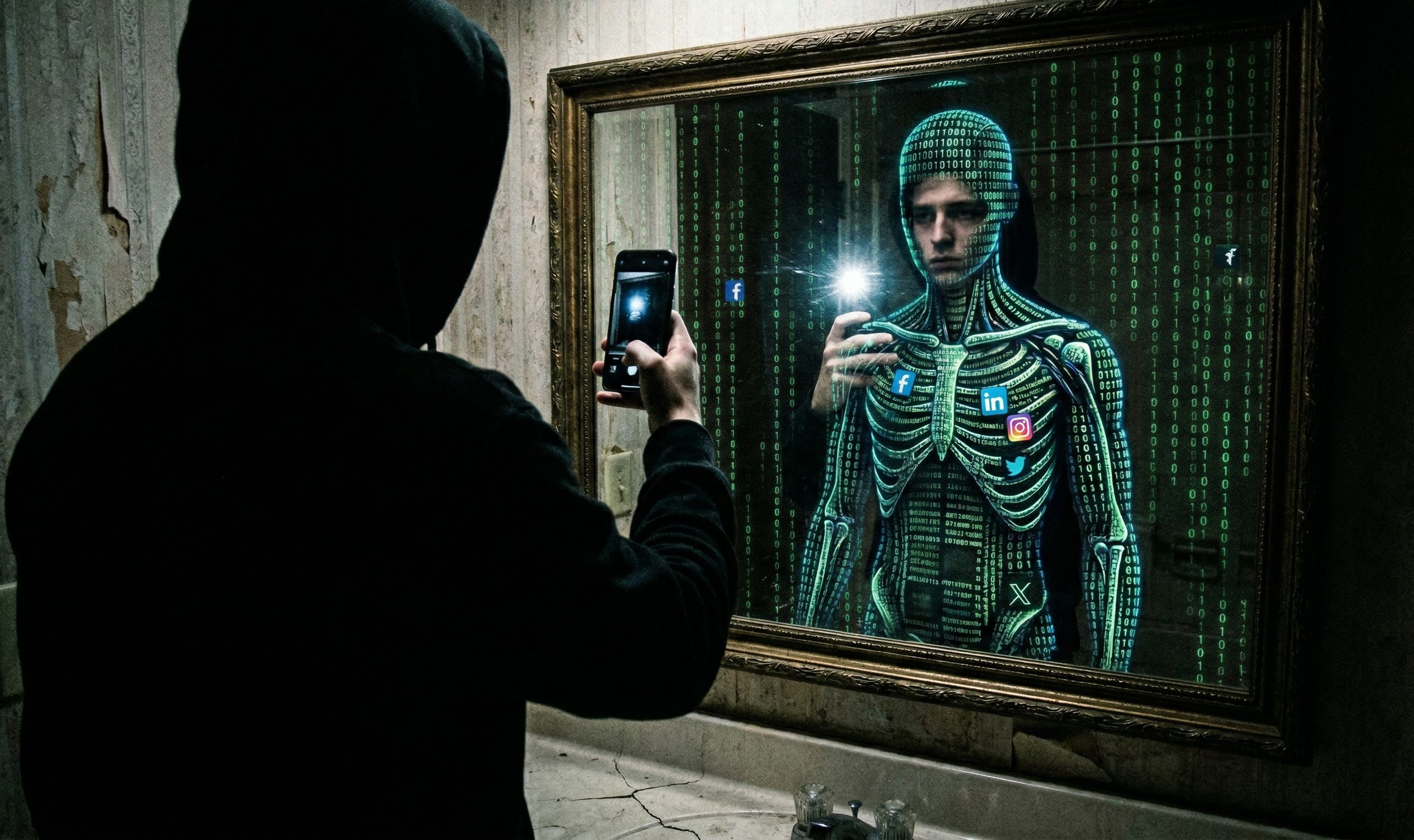
Privacy isn’t a setting in an app; it is a habit of mind. Every time you hit “Post,” you are giving a stranger a key to your life. Make sure it is a key you are willing to let them have.
Next week in The Art of the Social Engineer, we wrap up the series with The Voice of Urgency. I will show you how Niko uses “Artificial Crisis” to make you bypass your own common sense.
Stay dangerous,
Alex Holt